Churches across Arkansas are saying yes to serving children and families in foster care. Together, we are creating a movement of believers standing up to care for vulnerable children and teens.
Whether your church is leading a Stand Sunday service, launching a Care Team, facilitating a foster care Q&A, hosting a donation drive, or finding another way to support local foster families, your commitment matters.
When we each use our gifts to serve, children and families don’t have to walk through foster care alone. Add your church to the map and join others who are choosing to Serve for a Season.
Together, we can show what happens when the Church stands united for vulnerable children and families.
Add your church to the map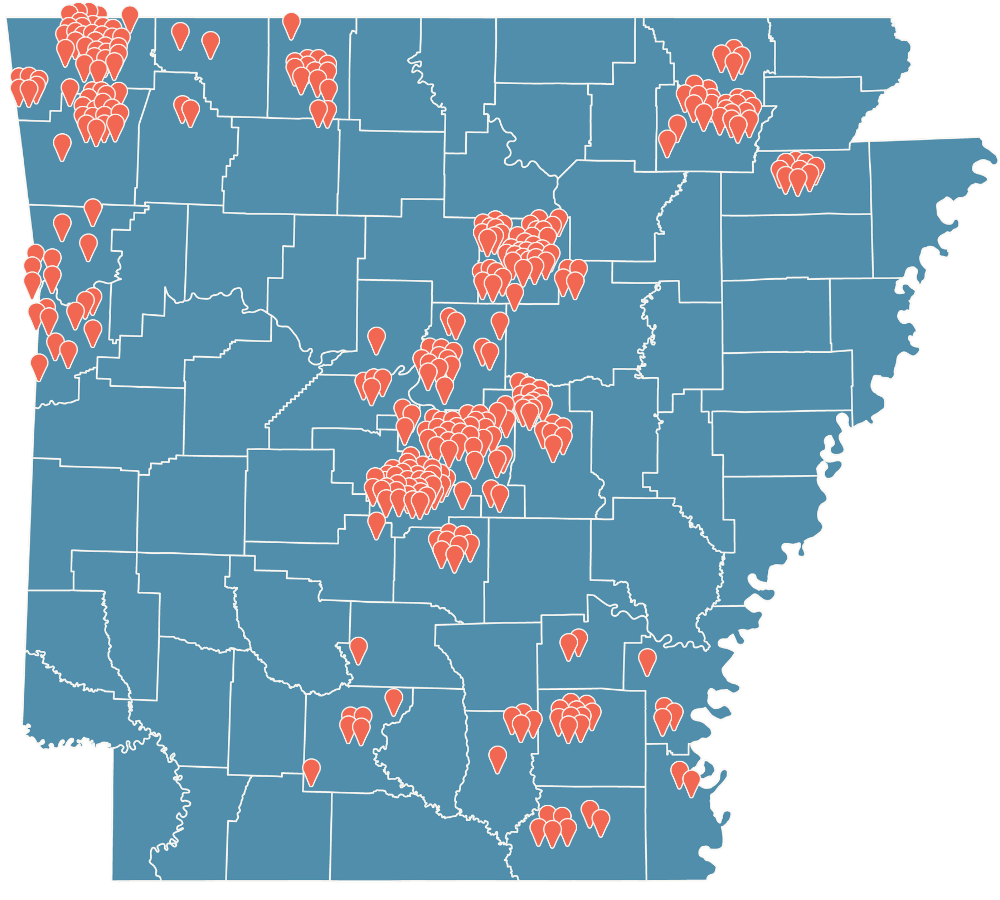
The CALL is here to provide your church with the clarity and confidence to step into the mission of Foster Care. On this page, you will find a variety of resources to engage, equip, and encourage your church to serve.
Download
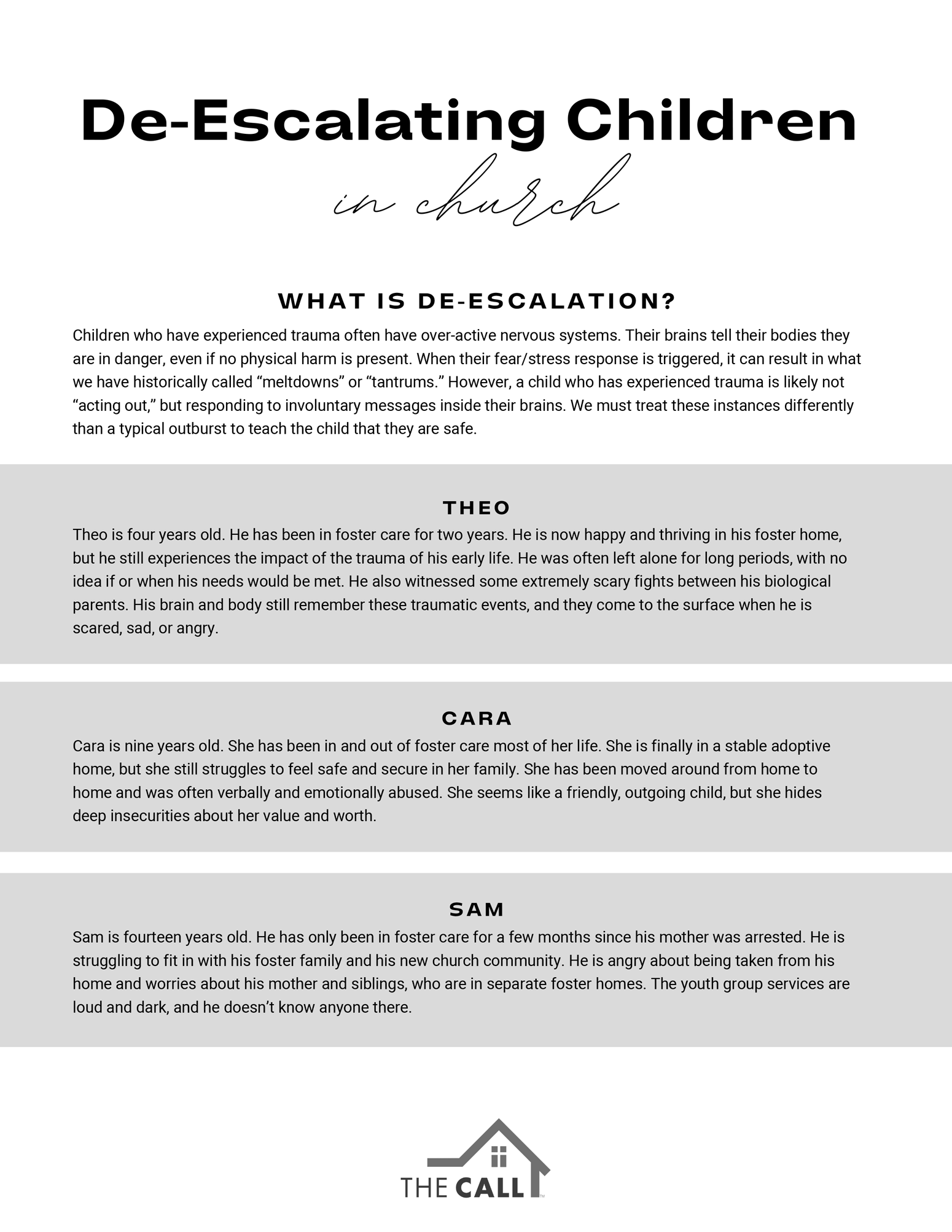
Children who have experienced trauma often have over-active nervous systems. Their brains tell their bodies they are in danger, even if no physical harm is present. When their fear/stress response is triggered, it can result in challenging behaviors such as “meltdowns,” lying, physical altercations, or other aggressive behaviors. However, a child who has experienced trauma is likely not “acting out,” but responding to involuntary messages inside their brains. We must treat these instances differently than a typical outburst to reaffirm messages of love and safety.

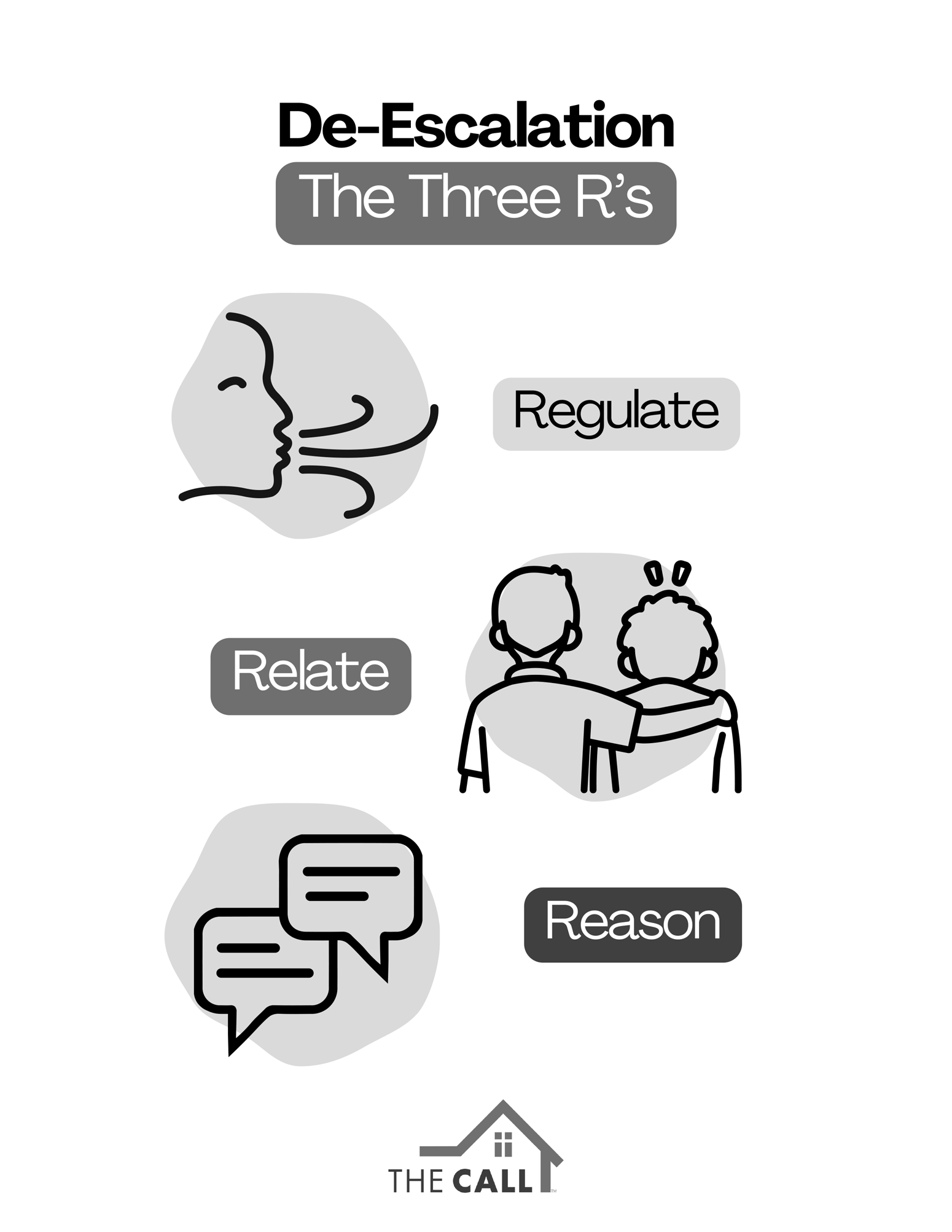
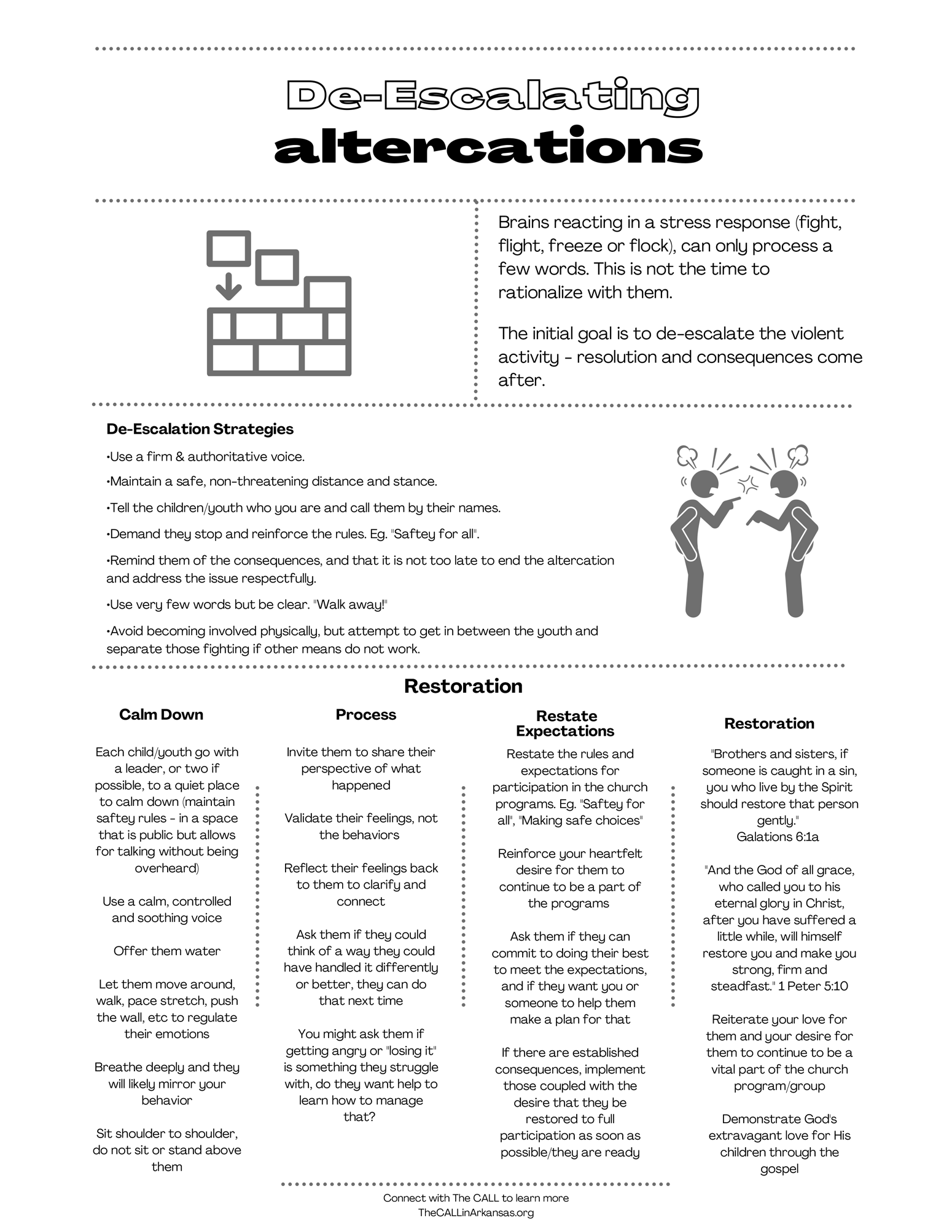
Brains reacting in a stress response (fight, flight, freeze or flock), can only process a few words. This is not the time to rationalize with them.
The initial goal is to de-escalate the violent activity - resolution and consequences come after
Download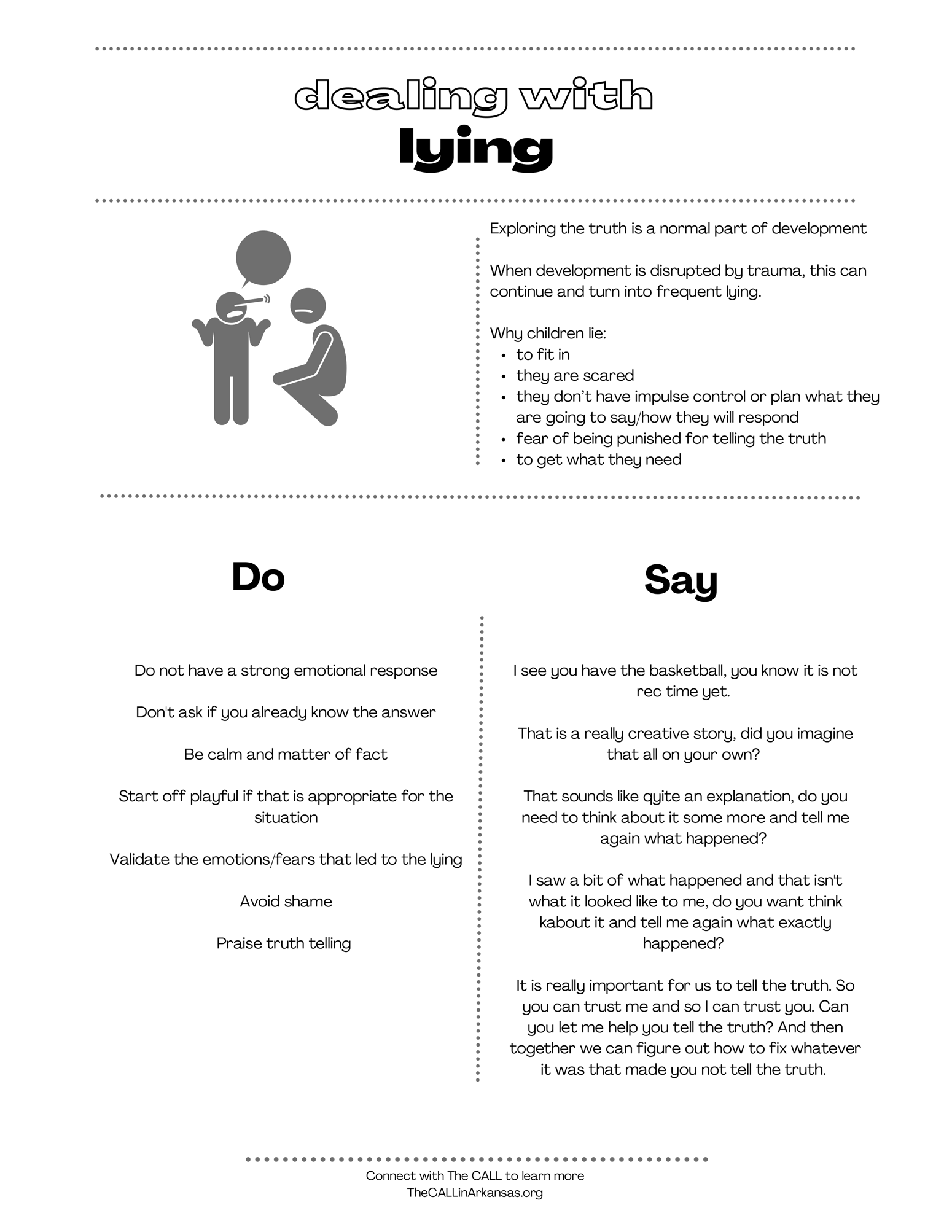
Exploring the truth is a normal part of development
When development is disrupted by trauma, this can continue and turn into frequent lying.
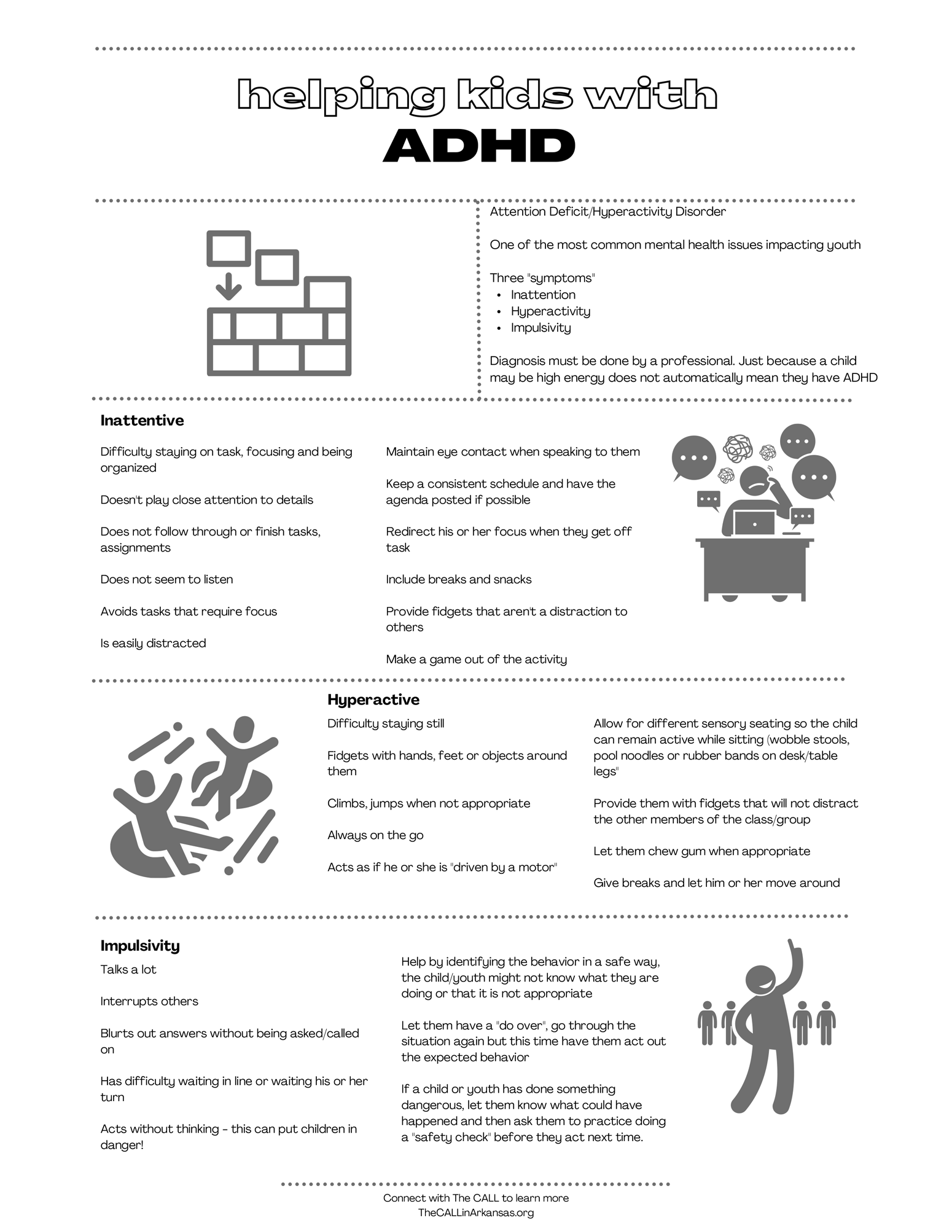
Attention Deficit/Hyperactivity Disorder
One of the most common mental health issues impacting youth
Diagnosis must be done by a professional. Just because a child may be high energy does not automatically mean they have ADHD
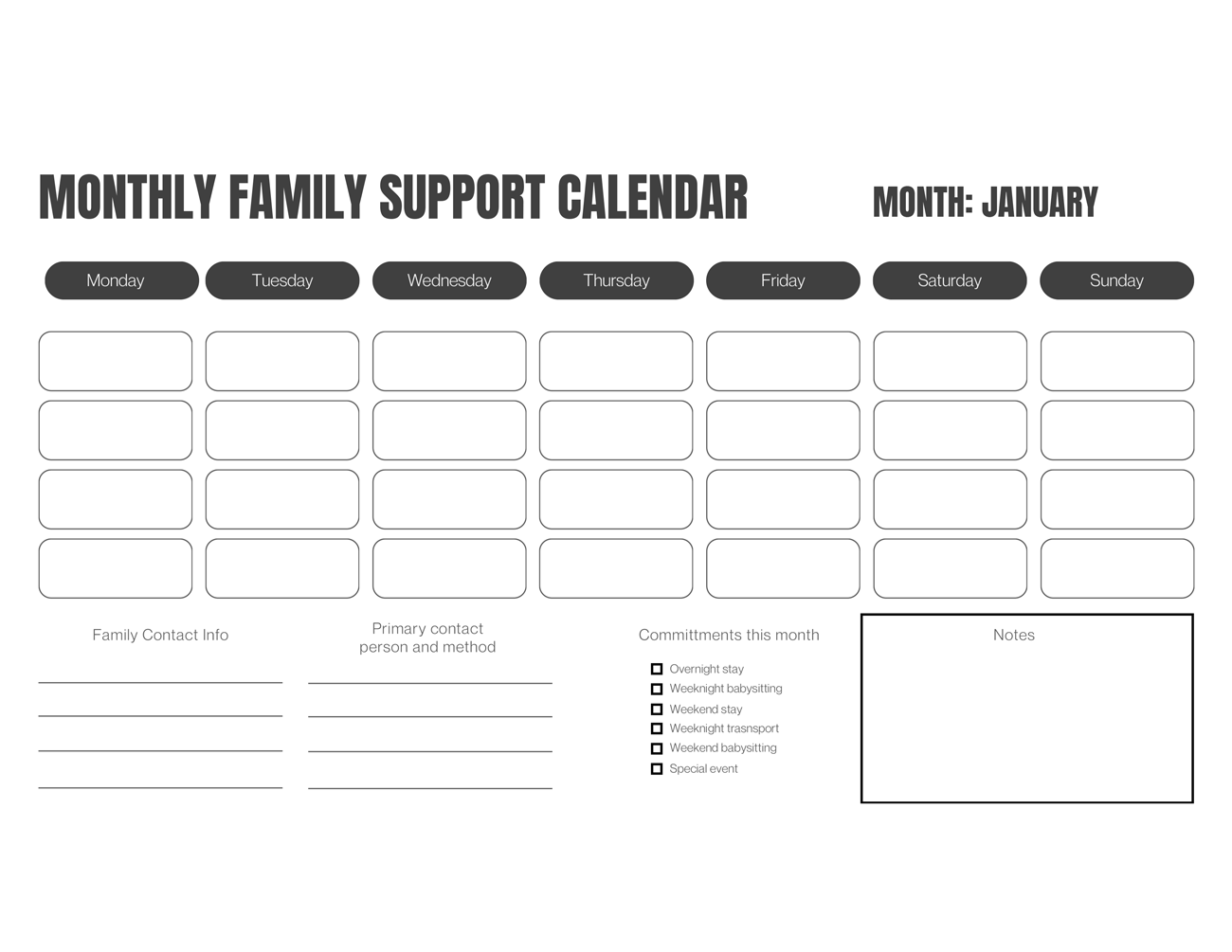
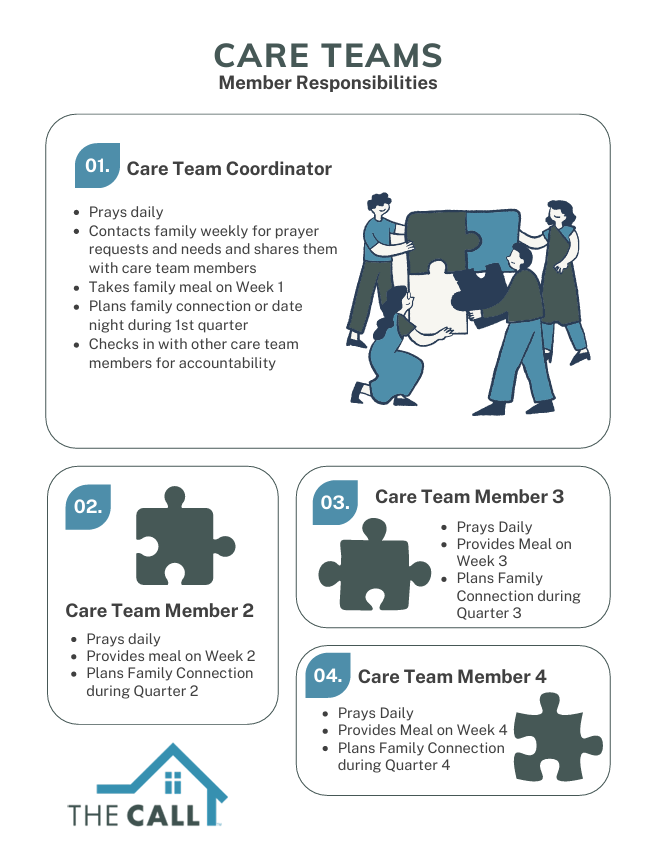
DownloadCare Teams exhibit the love of our church family to children experiencing foster care by creating relationships and support. This is a beautiful opportunity to display the gospel!